






 FC 26
FC 26
 ARC Raiders
 COD Black Ops 7
 Dark And Darker
 Grow a Garden
 Monopoly Go
 Sell To Us
 Vip Member
 Contact Us





Arc Raiders What to Keep Guide: What to Keep, Sell, and Recycle
2026-01-19 01:21:21

2026-01-19 01:21:21
Loot management is easily one of the most important and prolific skills in Arc Raiders. Every run fills your inventory with parts, weapons, junk items, and materials. Keeping the wrong things may slow down your progress. Recycling or selling the wrong items could hurt you later. This is why many players search for a clear Arc Raiders what to keep guide.
This post tells you what to keep, what to recycle, and what to sell. You'll also learn how to manage your inventory smarter, save space, and progress faster without regret.
Arc Raiders will intentionally limit inventory space. You just can't keep everything. Each decision tends to affect upgrades, long-term power, and crafting. Some items may appear useless at first, but may become valuable later. Other items may feel important, but only exist to earn credits. Learning the difference saves time and stress. Good inventory habits will reduce farming. You may not need to redo missions just because you sold the wrong materials earlier.
Some items are never a mistake to keep. These items will aid in weapon upgrades, late-game progression, and crafting modifications. Upgrade materials must always be your top priority. Even if you don't need them now, you may need them later. High-tier crafting parts are also rare, so selling them may block your progress.
Note: If you're unsure about an item, check its description and rarity. Epic and rare items will typically have a future value.
Selling items is the fastest way to earn credits. Credits are required for crafting, repairs, and vendor purchases. Some items may exist primarily for sale and may have limited long-term value. Weapons you're looking to plan may be safe to sell. Low rarity duplicates are also good credit sources. Junk items often contain no crafting purpose and must not sit in your inventory.
Note: Selling regularly will keep your inventory fresh and may provide a steady income. Thus, you must always sell before your storage fills up.
Recycling could turn items into crafting materials. It is much better than selling when you need parts more than credits. Many players may overlook this system and lose value by selling too much. Outdated gear and broken weapons are brilliant for recycling. You may get parts that help you with mod crafting and upgrades. Recycling will also help you reduce farming time later.
Note: Recycle when you're focusing on upgrades. You can sell when you need credits. You must balance most systems.
You don't have any time to think deeply during missions. You must use the simple rules. If the item enables you to upgrade, you can keep it. If it only gives the credits, you can sell it. If it is supposed to break down into parts, you can recycle it. You must check the rarity colors. Higher rarity could mean more future value. Low rarity may mean easy replacement. This mindset will boost decisions and keep the runs smooth.
Many new players will sell materials too early. This aspect tends to slow weapon progression later. Some players may hoard useless items that have no practical use. This will also waste space. Another common mistake is keeping too many weapons. Focus on a few strong guns rather than many weak ones. You must also avoid accidentally selling mod blueprints. Blueprints will help you unlock permanent options that are pretty valuable. You must always double-check before selling rare items.
The early game is all about credits and survival. Selling common weapons and junk will help you buy essentials. The late game also focuses on optimization. Mods, materials, and high-tier parts will matter more than credits. Recycling may become more useful at this stage. You must adjust your strategy as your progress changes. There won't be a single rule that fits all stages.
Vendors will refresh their stock often. You can check them beforehand when selling rare items. Sometimes vendors may trade valuable parts for items you already have. Selling right before a vendor refresh may help you afford better gear. You must keep some credits saved for surprise offers. Don't rush to sell everything as timing matters.
Managing loot in Arc Raiders isn't all about keeping everything. Rather, it is about keeping the right things. Knowing ARC Raiders what to keep and what to sell will make the game look more rewarding and smoother. You can progress faster, upgrade stronger weapons, and avoid unnecessary grinding.
Good inventory habits will also reduce frustration. You may also not feel stuck because of missing materials or lost upgrades. Over time, these small decisions will also add up and shape your entire experience. You can use this guide as a reference whenever your storage fills up. With smart choices, every run may become more efficient and every reward could feel earned.
This post tells you what to keep, what to recycle, and what to sell. You'll also learn how to manage your inventory smarter, save space, and progress faster without regret.
Why Inventory Choices Matter in Arc Raiders
Arc Raiders will intentionally limit inventory space. You just can't keep everything. Each decision tends to affect upgrades, long-term power, and crafting. Some items may appear useless at first, but may become valuable later. Other items may feel important, but only exist to earn credits. Learning the difference saves time and stress. Good inventory habits will reduce farming. You may not need to redo missions just because you sold the wrong materials earlier.
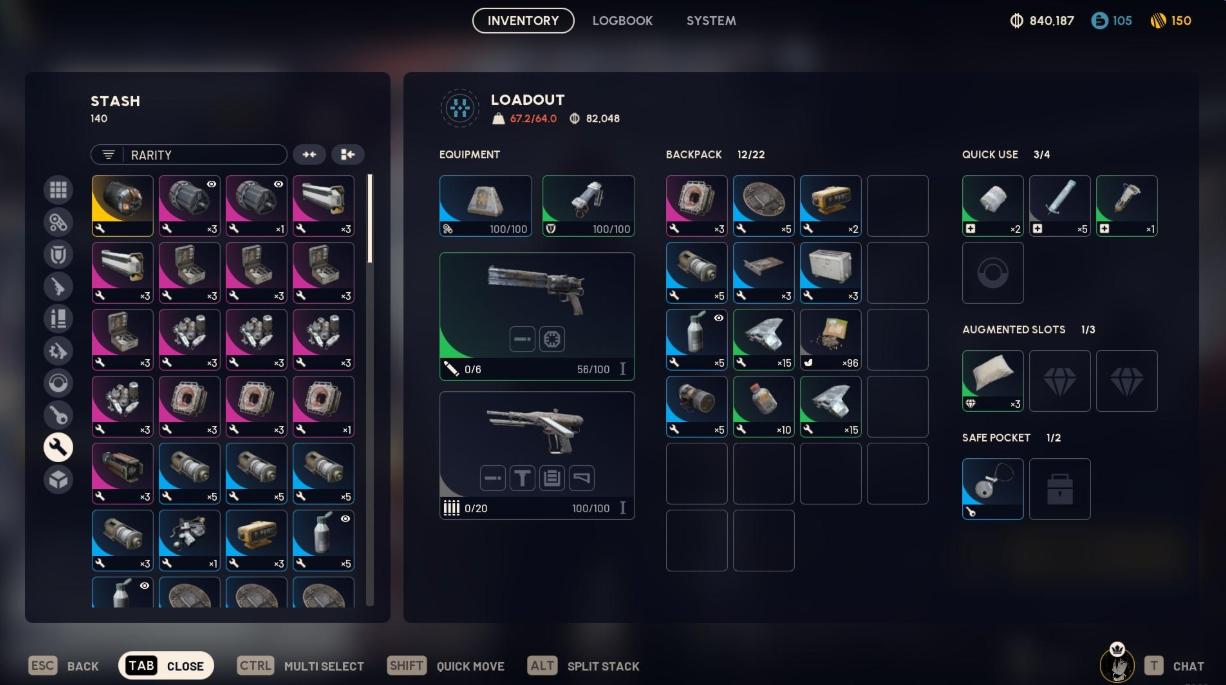
Items You Should Always Keep
Some items are never a mistake to keep. These items will aid in weapon upgrades, late-game progression, and crafting modifications. Upgrade materials must always be your top priority. Even if you don't need them now, you may need them later. High-tier crafting parts are also rare, so selling them may block your progress.
Items You Should Always Keep
| Item Type | Reason to Keep | Long-Term Use |
| Upgrade materials | Needed for weapon upgrades | Required for late-game builds |
| Mod blueprints | Unlock permanent mods | One-time unlock, huge value |
| Rare crafting parts | Hard to replace | Used in high-tier crafting |
| Flux or reactor items | Limited drops | End-game upgrades |
| High-rarity weapons | Better scaling | Stronger upgrade paths |
Note: If you're unsure about an item, check its description and rarity. Epic and rare items will typically have a future value.
Items That Are Safe to Sell
Selling items is the fastest way to earn credits. Credits are required for crafting, repairs, and vendor purchases. Some items may exist primarily for sale and may have limited long-term value. Weapons you're looking to plan may be safe to sell. Low rarity duplicates are also good credit sources. Junk items often contain no crafting purpose and must not sit in your inventory.
Items That Are Safe to Sell
| Item | Why It’s Safe | When to Sell |
| Common weapons | Weak scaling | Early and mid-game |
| Duplicate gear | No extra benefit | Anytime |
| Junk items | No crafting use | Always |
| Old low-tier armor | Outdated stats | After upgrades |
| Vendor-only loot | Credit-focused items | Immediately |
Note: Selling regularly will keep your inventory fresh and may provide a steady income. Thus, you must always sell before your storage fills up.
Items You Should Recycle Instead of Selling
Recycling could turn items into crafting materials. It is much better than selling when you need parts more than credits. Many players may overlook this system and lose value by selling too much. Outdated gear and broken weapons are brilliant for recycling. You may get parts that help you with mod crafting and upgrades. Recycling will also help you reduce farming time later.
Best Items to Recycle
| Item | Recycle Benefit | Best Use Case |
| Broken weapons | Parts and scrap | Upgrade crafting |
| Old modded gear | Rare components | Mid to late game |
| Duplicate armor | Crafting materials | Gear progression |
| Event drops | High-quality parts | Advanced upgrades |
| Unwanted rare gear | Better than selling | When low on materials |
Note: Recycle when you're focusing on upgrades. You can sell when you need credits. You must balance most systems.
How to Decide Fast During a Run
You don't have any time to think deeply during missions. You must use the simple rules. If the item enables you to upgrade, you can keep it. If it only gives the credits, you can sell it. If it is supposed to break down into parts, you can recycle it. You must check the rarity colors. Higher rarity could mean more future value. Low rarity may mean easy replacement. This mindset will boost decisions and keep the runs smooth.
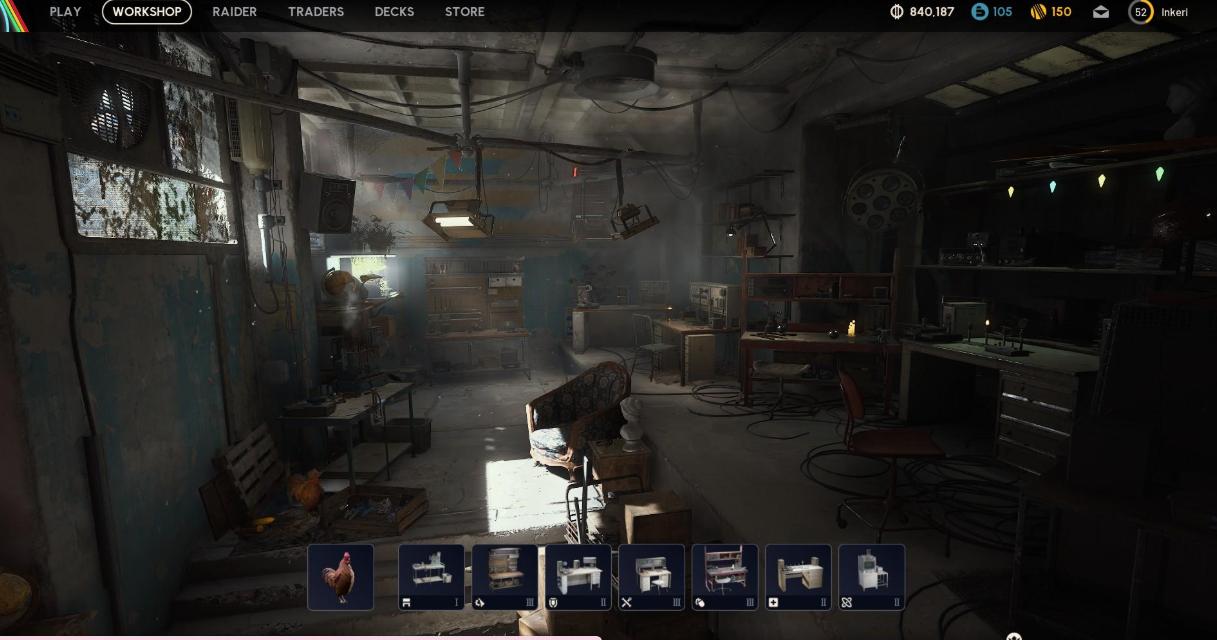
Common Inventory Mistakes to Avoid
Many new players will sell materials too early. This aspect tends to slow weapon progression later. Some players may hoard useless items that have no practical use. This will also waste space. Another common mistake is keeping too many weapons. Focus on a few strong guns rather than many weak ones. You must also avoid accidentally selling mod blueprints. Blueprints will help you unlock permanent options that are pretty valuable. You must always double-check before selling rare items.
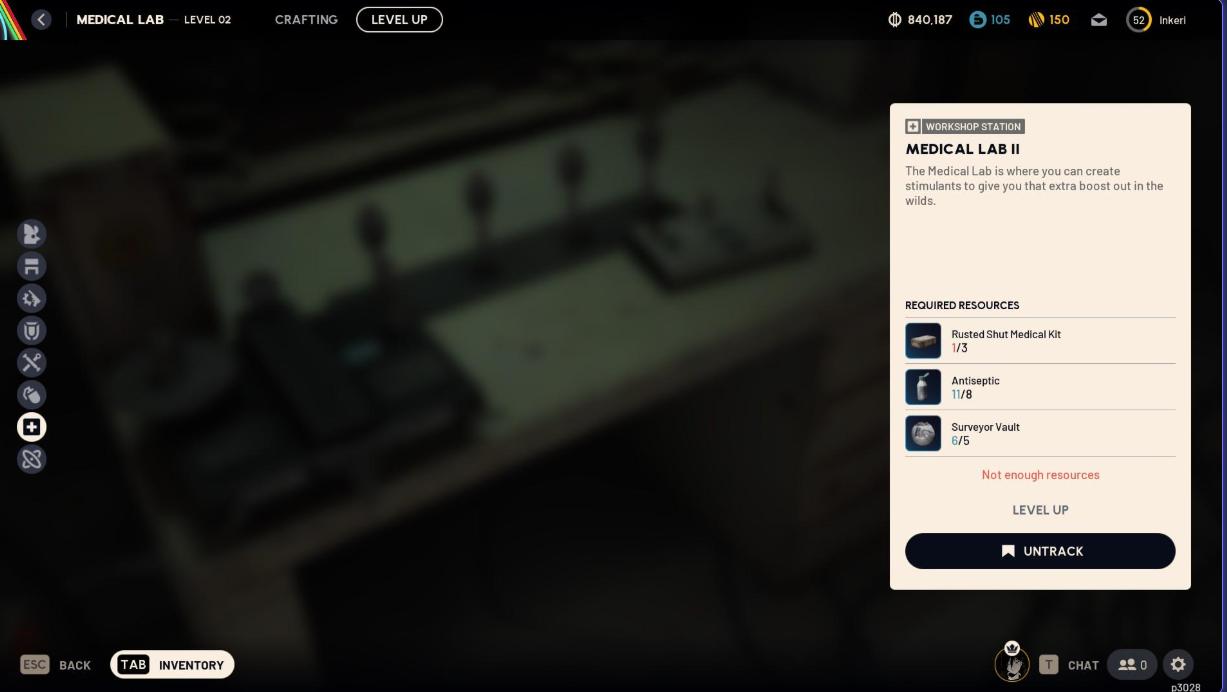
Early Game vs Late Game Inventory Strategy
The early game is all about credits and survival. Selling common weapons and junk will help you buy essentials. The late game also focuses on optimization. Mods, materials, and high-tier parts will matter more than credits. Recycling may become more useful at this stage. You must adjust your strategy as your progress changes. There won't be a single rule that fits all stages.
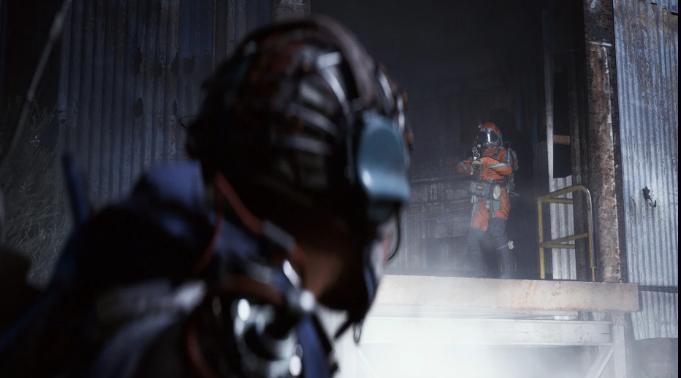
Vendor Tips for Smarter Selling
Vendors will refresh their stock often. You can check them beforehand when selling rare items. Sometimes vendors may trade valuable parts for items you already have. Selling right before a vendor refresh may help you afford better gear. You must keep some credits saved for surprise offers. Don't rush to sell everything as timing matters.
Final Words
Managing loot in Arc Raiders isn't all about keeping everything. Rather, it is about keeping the right things. Knowing ARC Raiders what to keep and what to sell will make the game look more rewarding and smoother. You can progress faster, upgrade stronger weapons, and avoid unnecessary grinding.
Good inventory habits will also reduce frustration. You may also not feel stuck because of missing materials or lost upgrades. Over time, these small decisions will also add up and shape your entire experience. You can use this guide as a reference whenever your storage fills up. With smart choices, every run may become more efficient and every reward could feel earned.
TAGS: